
Backrooms
Horror Film Review In Relation To Modernism

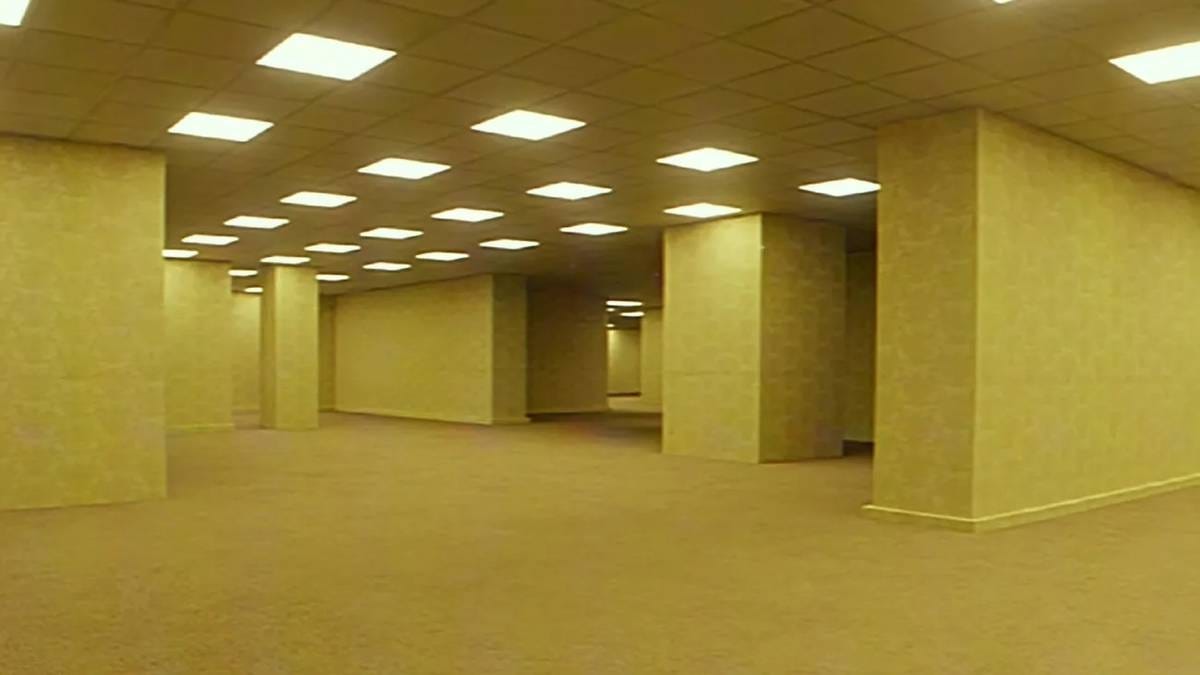
I watched Backrooms last weekend upon hearing some new young directors were making a splash with independent horror films. Specifically they were being hailed as Youtube creators (Hollywood outsiders) who were ‘young white men’—so I knew the the quality would actually be good.
Yes I use ‘racism’ and ‘sexism’ when parsing entertainment (never fails).
I chose to see Backrooms over Obsession (which I wll also see) because I accidently had a glimpe of a trailer somewhere and been intrigued. I was not intrigued for reasons of having followed or known anything about the creator (Kane Parsons), his Youtube career, or the creeepypasta liminal-spaces online phenomenon at all. It was because it reminded me of a recurring spooky dream I myself experienced on occasion. Not quite a nightmare but sort of cosmically eerie, in this dream I would be viewing a house to rent or buy or something, and would become distracted by a room or hall (not of any particular design) and upon investigating find another room or hall beyond it, and another, and through my curiosity and amazement eventually find I was lost in an endless ongoing labyrinth.
So upon seeing someone else who not only had this same idea, but had expanded it into a major film, I had an inkling I would be in for the type of intelligent psychological horror that I enjoy. And I was not wrong. I found the movie very well-made, clever, and original. It contained a number of conventional horror tropes (such as jump scares) but these were done to great and unique effect, so much so it felt as though he had invented the concept anew. Not knowing the online backstory probably helped me in that immersive feeling of seeing a fresh approach to a genre, but I think regardless of that the originality is undeniable. As Lucas set out intentionally to do with his first Star Wars, creating an ‘undescribed back story’ often helps in the richness of a world, where overexplaining (Lucas’ failing with prequels) erodes that. We never learn what the backrooms are.
I have since been looking into Parson’s older Youtube videos. The early ones were competent but the ‘creature effects’ were very CGI and not scary, but by the time I reached the video entitled ‘Found Footage #3’ I felt I could really see where he had solidified his grasp of portraying the unsettling liminal space concept (defined as: often empty or abandoned areas that aesthetically evoke eeriness or nostalgia, isolation and surrealism). I suppose it is technically science fiction, or sci-fi horror.
I did in hindsight come across some of this liminal internet lore years ago, but I was not drawn to it much at the time, as I had for myself my own exploration and explanation for the ‘loss of art in the modern age’. In which I had found and described a solid rational reason for the mysteriously discordant aftertaste left by things such as modern corporate interior design. Things which really have no reason to be so dismal.
In particular those designs pertaining to the artless yet somehow pretentiously avant-garde-corporate space, and oft exemplified in their most abject modern form in places such as the exteriors and interiors of the ‘industrial park’. Human livestock farms.
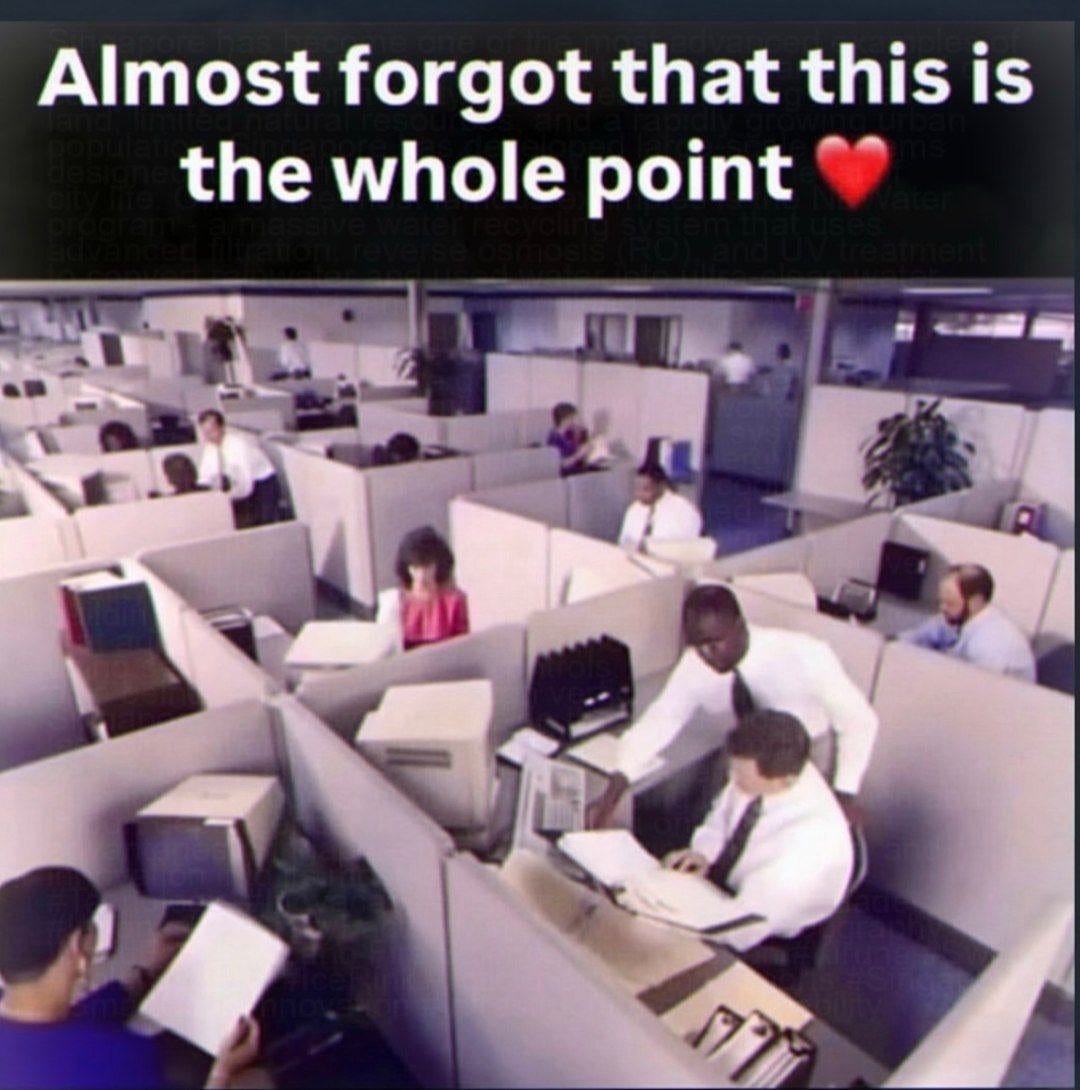
Truly liminal.
In this architectural sense Backrooms very much reminds me of the ludicrous industrial park intentionality. A place where hopeless, anti-decorative, deracinated, anti-vernacular, post-1945 art concepts meet attempted aesthetic corner-cutting and paradoxical wasteful spending. Really it is an interior design curse which has become ingrained, and that we still suffer from, though by setting the film in the 90s it better captures the trailblazing heyday of that conceptual gayness. The proud spearheading epoch for that specific ardent soullessness, where the ‘last man’, the human livestock, finds his cubicle. The 90s was the decade when recognizable decades ended, when Western culture ossified into one unending episode of friends, and all mythic or tribal or non-commercial art values became forgotten forever.
I have said for some time that architecture best exemplifies our malaise of mistaken and broken values. In our inability to create beauty (for the reason it expresses ‘fascist’ self-confidence!) we express our human growth in a depressing, cancerous urban scrawl of block buildings. The entirety of it is essentially liminal and eerie and suggests in the human soul only slavery and gloom. And this is the real horror behind the film, expressed innocently without context of origin, and exaggerated.
The film also has apt reference to video games and AI, suggesting reality is not what it seems, and even less perfect realities exist. All is imitation, without purpose, yet trudging on without limit. The spookiness of this is used to great effect, capturing perfectly the sickly nihilistic feeling many of us get when viewing ‘AI art’. The director understands as well it is not the scariness of the monster that is frightening, so much as playing upon the psychological fear that the unknown is happening.
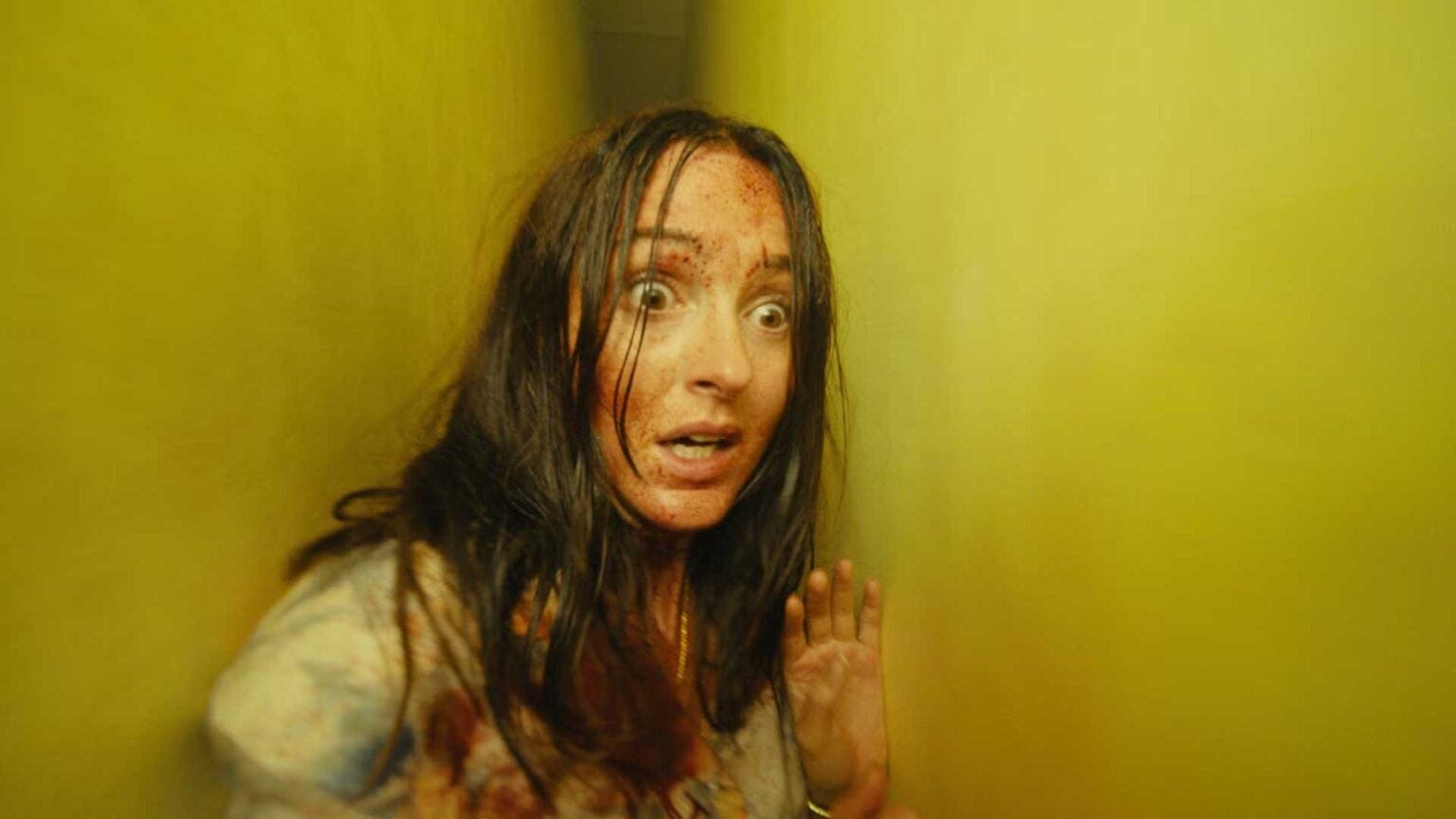
So in conclusion I do recommend this film as an original entry into the genre. At least here we can still find real art. Do not be swayed by casting or liminal space lore spiralling, it is sound in conception and execution. The liminal space, the backroom, is the vision of an imperfectly remembered and lifeless imitation of the real, that shouldn’t exist, yet it does.
And that IS the 21st century West.
I should probably see this film. Haven't caught a new movie of any genre in nearly 10 years, I think. Great write up, by the way. One of your best essays within a review ever.